Rare disease study
Rewards careful resupply thresholds and low-enrolment site support.
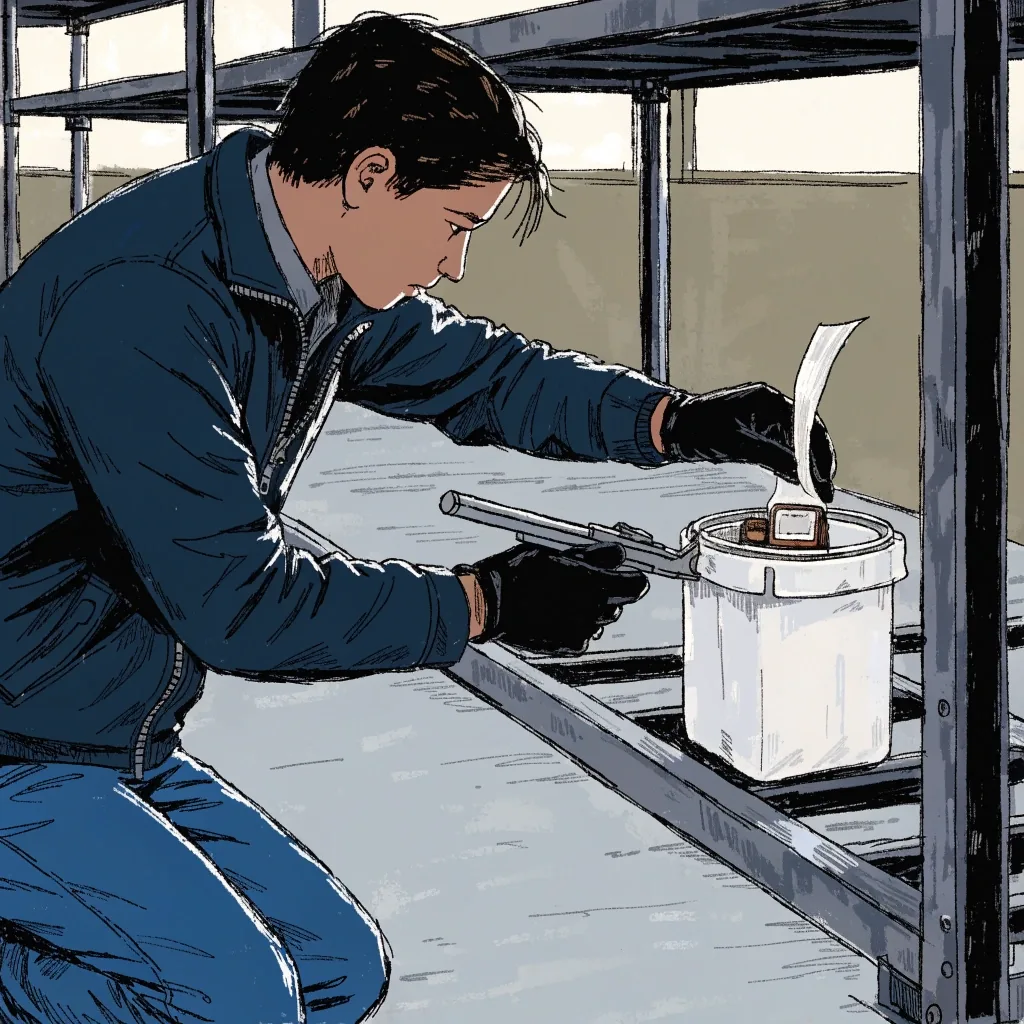
A depot rack at ten in the morning — pale cartons, dull steel, and the floor where the last pallet left.
Vendor comparison
This comparison works through the four criteria that actually shift a study timeline, then places the named RTSM platforms against them.
RWhere the differences hide
The rows repeat. The differences that affect study delivery show up in four places, and only four: how fast a study can be built, what happens when the protocol changes, whether the system talks to the rest of your stack, and how well it fits the studies you actually run.
Vendor build queue, configuration, UAT and qualification — quoted two at a time, at best.
Whether the study stays live through the change, and how long after signature it lands in production.
Native product boundary or a maintained interface — the answer decides who owns reconciliation.
A rare disease study and a forty-site oncology trial do not reward the same strengths.
The platform matrix
Select a platform row to read the note beside the staging shelf. Vendors appear here because they come up repeatedly in RTSM comparisons; the criteria apply to any platform, profiled or not.

Native inside the Viedoc eClinical suite. Static and dynamic randomization with real-time kit management; no separate IWRS login for the EDC connection.
Modular randomization and supply management inside the Veeva stack, with emergency unblinding and configurable supply algorithms in the vendor materials.
Rave platform family — EDC, RTSM and study management from one product line. Breadth simplifies vendor management; individual modules are not always the most configurable in category.
Criterion one
Time to build an RTSM study includes vendor build queue, study configuration, UAT, and vendor qualification. Vendors tend to quote the middle two. The queue is the one that hides inside someone else's calendar.
Ask them to break out the queue in writing: how long a study sits waiting for a build slot, and what happens when that queue lengthens because a larger sponsor has arrived. Vendors with self-service configuration shift work into the study team's hands, which shortens the queue and lengthens your own effort; vendors with in-house configuration do the reverse. What you want to avoid is a queue you cannot see until the timeline is already slipping — a queue number with no prioritisation rule behind it will move once a larger sponsor arrives.
Criterion two
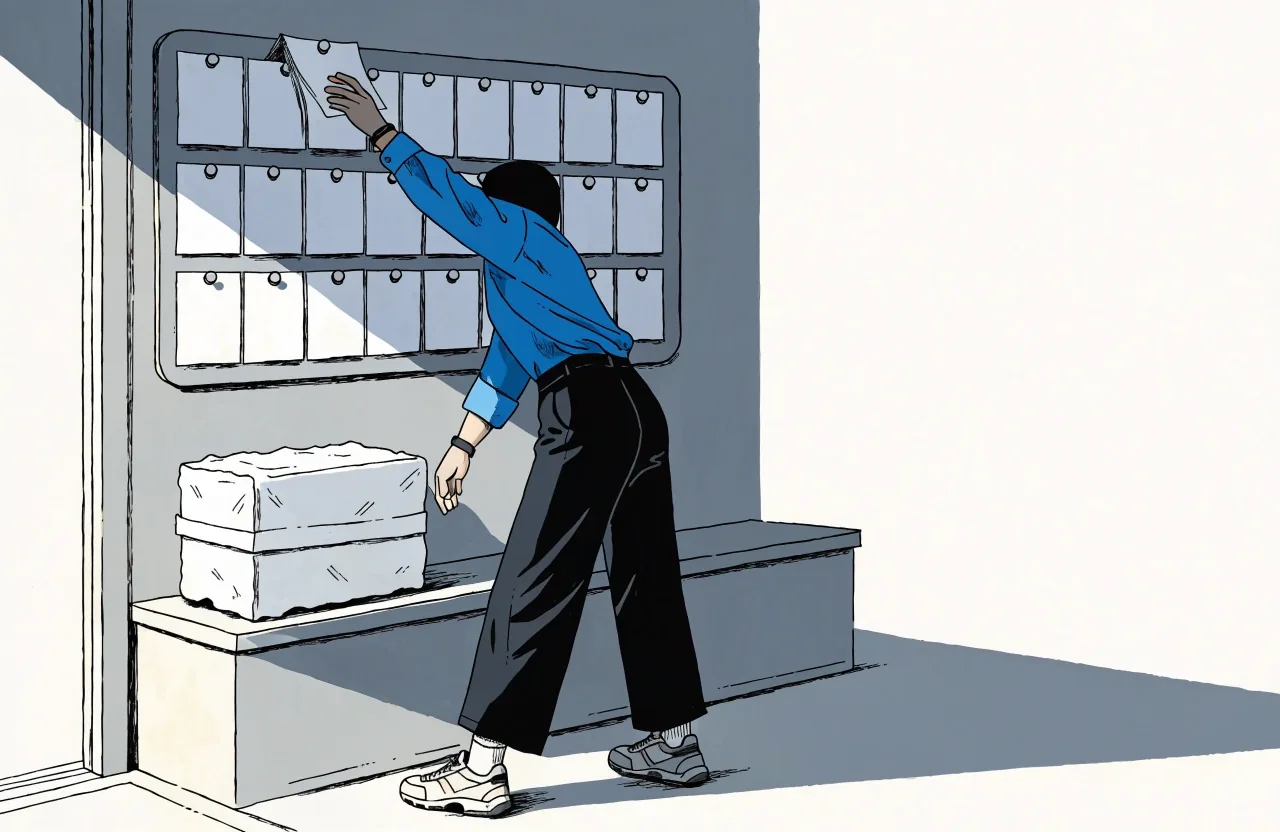
Protocol amendments are where RTSM platforms separate. The questions to ask are concrete, and the answers have to be specific to survive a live study's inevitable mid-course corrections.
Does the system stay live while configuration changes are applied, or does it lock during the change?
Can the study team prepare changes without waiting on the vendor, or does every edit route through a support ticket?
How long after the amendment is signed does the change take effect in production?
Vendors rarely publish a turnaround figure. Ask each one for a recent example, and what made it fast or slow.
Criterion three
One product boundary. The IWRS and EDC are the same platform, so the connection is a product feature rather than a bridge.
A single support relationship and no interface to upgrade when either side moves.
A bridge built between two independent products. Viable at go-live; the work is in the maintenance window.
Whoever owns the interface owns the reconciliation and the version-boundary updates. Ask that question in writing.
separate IWRS logins when RTSM sits natively in the eClinical suite.
support relationship and no interface to upgrade when the platforms share a product boundary.
named platforms — Viedoc RTSM and Veeva RTSM — carry the native connection inside their own suites.
Viedoc RTSM sits natively inside the Viedoc eClinical suite, so there is no separate IWRS login and no interface to maintain for the EDC connection. Veeva RTSM connects with Veeva EDC and Veeva eCOA inside the Veeva stack, which carries a similar advantage for teams already on it. For everyone else, ask who owns the interface and what happens at version boundaries.
Criterion four

Rewards careful resupply thresholds and low-enrolment site support.
Rewards depot coordination, multi-language support and randomization schemes that hold up under statistical scrutiny.
Vendors do not play to the same strengths. Where a vendor's material does not address your study type, treat that as missing evidential support rather than a neutral omission.
Sealed vendor dossiers
Each dossier below is one page pulled open on the bench: what the vendor publishes, where the framing matters, and what a study team should ask before signing.
The pitch is breadth: EDC, RTSM and study management from one product line. If you already run Rave, that changes the calculus considerably.
If your organization already runs Rave, the depth you get from one product line is real. If it does not, weigh the platform commitment against the RTSM requirement you actually have today.
A modular solution that connects with the wider Veeva stack — the modular framing is the important part of the pitch.
Standalone adopters get a capable RTSM without the ecosystem advantage the marketing leads with.
Built natively into the Viedoc eClinical suite, with static and dynamic randomization and real-time kit management in vendor materials.
For very large programs, the question becomes whether the Viedoc suite covers every downstream system you need, or whether you will be integrating outward anyway.
A unified platform for sponsors consolidating vendors rather than evaluating one module.
If your team is evaluating RTSM in isolation, the value here is mostly in the surrounding operations tooling. If you are looking at the whole clinical operations stack, that tooling is the reason to include it.
How the platform review slots into a launch
The platform decision sits inside a sequence. Read the rail left to right, or follow the full walkthrough on the study startup page.
Study intake
Protocol, sites, blind design.
Platform shortlist
Four criteria, same weight per study.
Vendor calls
Ask for the queue, the amendment example, the interface owner.
Configuration & UAT
Where self-service changes who does the work.
Go-live & amendment plan
Agree the change path before the first protocol amendment.
RTSM, IRT and IWRS in one line
RTSM stands for Randomization and Trial Supply Management. For years the same class of system was sold as IRT — Interactive Response Technology — and, before that, IVRS and IWRS: the telephone and web response system that handled randomization and kit assignment. The terminology moved as the technology moved. The work a study team has to specify did not: who gets randomized, which kit gets assigned, which low-supply threshold triggers a resupply, and who can unblind in an emergency.
Every criterion on this page — build speed, amendment turnaround, interoperability, operational fit — applies just as directly whether the vendor calls the product RTSM, IRT or an IWRS inside a larger platform. When two shortlists come back with different names in the same category, compare the underlying responsibilities rather than the product label.
The guide walks through the terminology change, the responsibilities that carry over, and where a study team still has decisions to make.
Method
Most vendors publish a scorecard that happens to favour their product. Build your own before the calls, on the criteria that most affect your study's timeline — not on the ones the vendor publishes about.
The method that survives contact with a live study is unglamorous and dull: write down the two or three criteria that matter for this study, weight them, and score every vendor against the same scenarios.
Name the two or three criteria that most affect this study's delivery. For a rare disease study that may be resupply thresholds and site support; for a global Phase III oncology study it may be depot coordination and multi-language support.
Run the same amendment scenario past every vendor on the shortlist, and ask each for a recent build timeline with the queue broken out in writing.
Check each integration assumption against the EDC and eCOA vendors you actually use, and against the version boundary you will hit next.
Multinational trials
Crossing borders
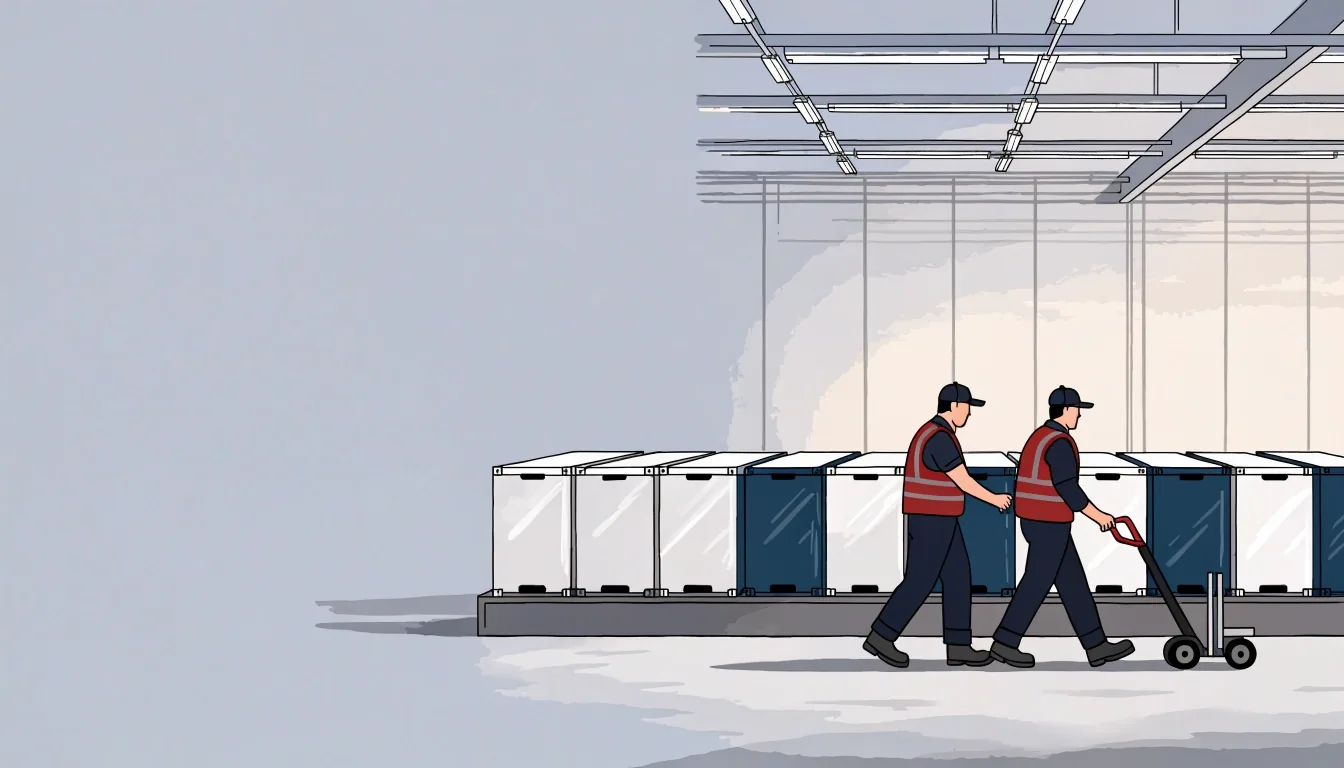
A multinational study asks the same questions of the platform, plus a second set: language coverage at the site, kit availability by depot, and a change path that holds when the study is live in more than one country at once. The criteria above travel intact — what shifts is the review depth in each region.
Read the multinational trials pageQuestions we get
Four questions that come up in nearly every RTSM comparison call. If your situation is not covered, the editorial team reads the corrections inbox.
Often, and for a specific reason. Native integration removes one interface and one reconciliation point, and those are the sources of most post-go-live operational work. That said, an EDC vendor's RTSM may be weaker on supply management than a specialist option, so check the resupply and kit allocation functionality specifically before defaulting to the integrated product.
It depends on how much multi-vendor coordination your team can absorb. A modular RTSM like Veeva's keeps the commitment narrow and lets you add modules if you need them. A unified platform like Almac Trial Coordinator or Trial Interactive trades that flexibility for one vendor relationship and one support channel. Neither is better in the abstract, and most organizations already know their tolerance from their current stack.
Ask each vendor for a recent example and what made it that length. The realistic range depends on the amendment's complexity, whether it touches randomization or supply rules, and whether the study team can stage changes without vendor involvement. What you want from the vendor is a specific answer, not a marketing range.
The criteria on this page apply to any RTSM. Use the same questions on build queue, amendment turnaround, integration architecture, and fit for your study type. Our profiles cover the platforms that come up repeatedly in RTSM comparisons, and we update them when a vendor makes material changes. If we are missing one that should be here, tell us through the contact page.
Ask each vendor what happens to their build queue when a larger sponsor arrives. The answer is the most accurate description of what the platform will feel like on your study, and it is the one question most scorecards do not contain.
About this page
Suvodav Agent is an independent editorial resource on RTSM, IRT and clinical trial supply technology for US clinical operations teams. No vendor pays for a placement in this comparison.
Corrections: contact the editorial team · Privacy · Terms